
Preparing a Countertop Oven for Retail: A Buyer’s Launch Checklist
A practical checklist for retail teams to review product fit, documentation, packaging, and launch readiness before placing an oven range.
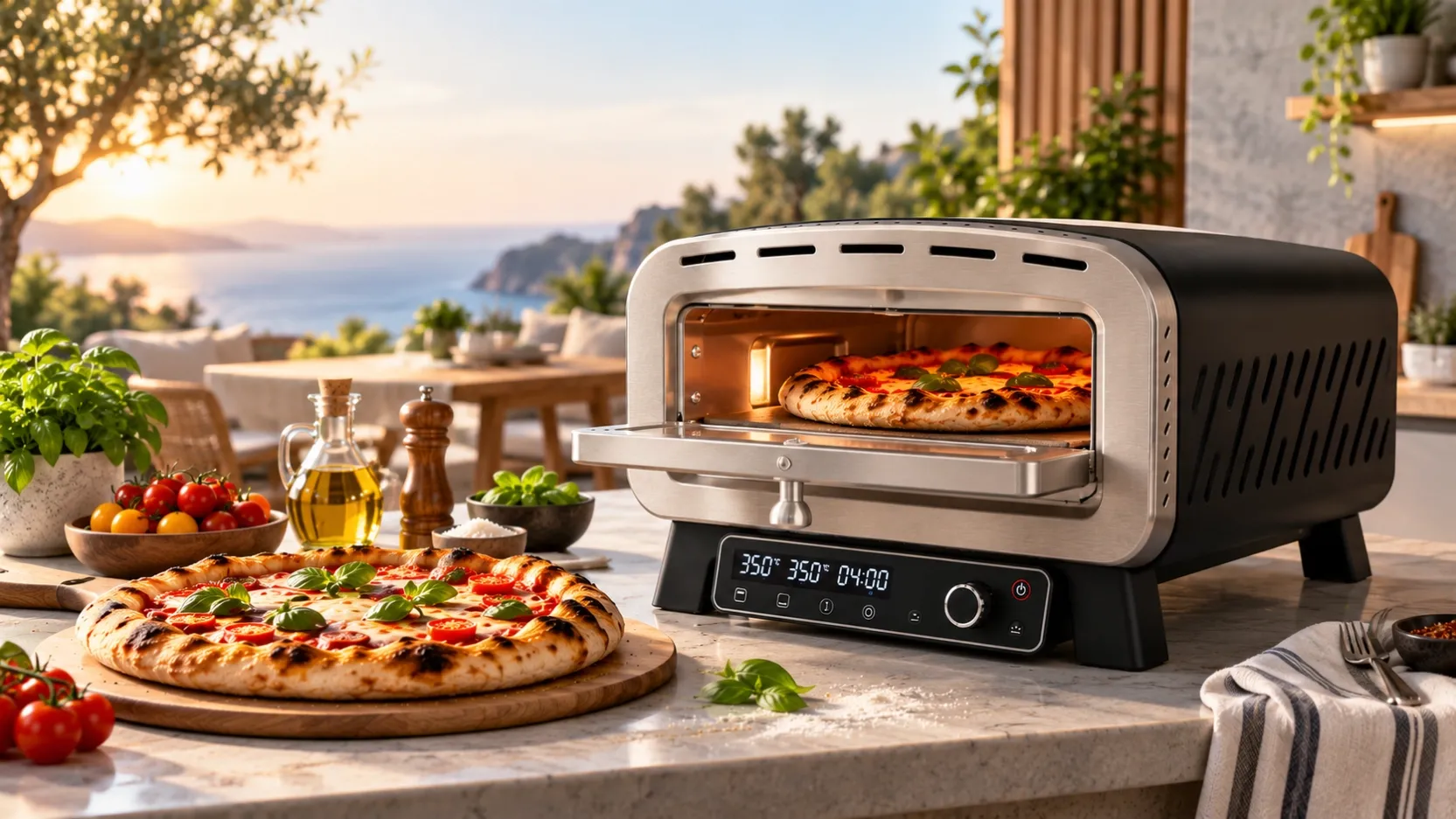
Planning a countertop oven range for retail involves more than selecting a product. Buyers also need clear product information, consistent documentation, packaging details, and a review process that fits their market and sales channel. This checklist helps teams organize those questions before moving toward a launch.
1. Define the shopper and sales channel
Start by documenting who the range is intended to serve and where it will be sold. Consider the shopper’s cooking needs, available counter space, expected usage, and the way the product will be presented online or in store. These points help your team compare options against the same purpose instead of relying on assumptions.
2. Confirm the exact model and configuration
Ask suppliers to identify each model clearly and provide written information for the specific configuration under review. Confirm that product names, images, feature descriptions, included accessories, and operating instructions refer to the same version. Keep open questions visible until the details are confirmed.
3. Review technical and market documentation
Collect the documents your team needs to assess the product and prepare for sale. Depending on your market and internal requirements, this may include dimensions, electrical information, user instructions, care guidance, and applicable compliance documents. Have the responsible team check local requirements and verify any supplied documents with the issuing source before making a compliance claim.
4. Plan packaging and product presentation
Review how the oven will arrive, be stored, and be presented to customers. Confirm carton information, protective materials, labels, manuals, language needs, and any branding files that require approval. Ask which items are standard and which depend on a separate project or customer-provided artwork. Agree on who approves each item and when.
5. Evaluate samples against written criteria
Before sample review, write down the checks your team will perform. These can include appearance, operation, included parts, packaging condition, and whether the supplied documents match the sample. Record results and questions by model so feedback can be traced and addressed. A written checklist makes it easier for the buyer and supplier to discuss the same observations.
6. Prepare a launch handoff
Bring together the confirmed model details, approved images and copy, final documents, packaging decisions, and unresolved items in one launch file. Assign an owner to each outstanding task and confirm the next decision point with the supplier. Avoid announcing dates or specifications until the relevant details have been agreed and checked.
Questions to send with your inquiry
Which models match the intended customer and channel? What documents are available for the exact configuration? Which packaging and branding options can be reviewed? What information is needed to evaluate a sample? Which details remain open before a purchase decision?
A clear checklist helps retail teams compare proposals and prepare focused questions. For model-specific information, contact the DIAKING team through the website’s Contact Us page.